Address
304 North Cardinal
St. Dorchester Center, MA 02124
Work Hours
Monday to Friday: 7AM - 7PM
Weekend: 10AM - 5PM
Address
304 North Cardinal
St. Dorchester Center, MA 02124
Work Hours
Monday to Friday: 7AM - 7PM
Weekend: 10AM - 5PM

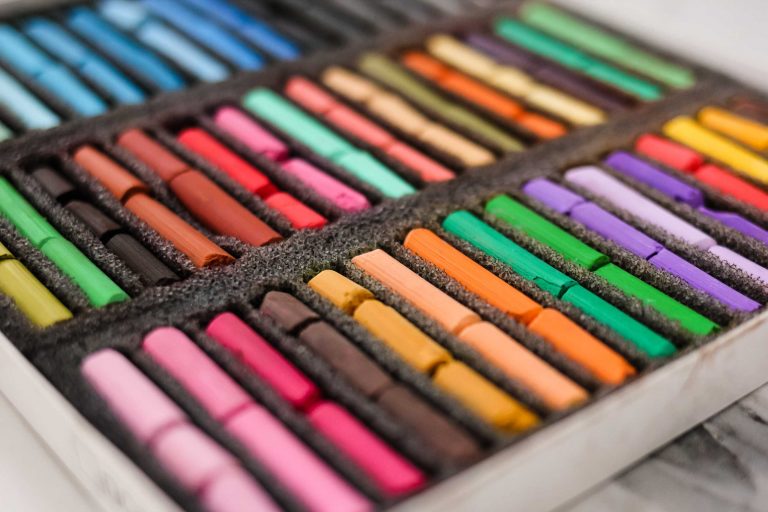
Embarking on a pastel art journey begins with understanding the materials you will use. Choosing the right tools is crucial, as each type of pastel and surface affects the final result. While pastels are generally approachable, knowing their varieties helps you work more effectively and explore your artistic potential fully.
Types of Pastels
Choosing Paper and Surfaces
The type of paper can transform your pastel experience. Textured surfaces, such as sanded pastel paper, hold layers well and enhance blending. Smooth papers allow for subtle transitions and fine detail. Experimenting with various surfaces can help you discover which complements your style best.
Supporting Tools
Tips for Beginners
Start simple. Choose a limited color palette and a medium-textured paper. Focus on learning blending, layering, and color mixing. Allow yourself to experiment freely; mistakes are an essential part of learning and can lead to unexpected creative discoveries.
Conclusion
The right materials empower your creativity. By exploring different pastels, papers, and tools, you can find combinations that suit your style. Understanding these essentials ensures that your artistic journey is productive, enjoyable, and full of opportunities to grow.